



09 May
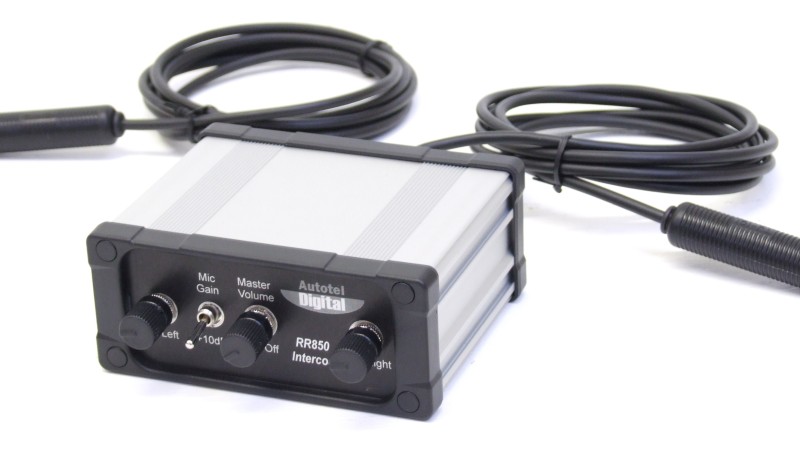
There are two main types of motorsport intercom systems: Peltor Compatible and Non-Peltor Compatible.
1. Peltor Compatible Intercoms
- Microphone Type: Designed to work with dynamic noise-canceling microphones, which produce a low signal output matched specifically to the intercom circuit.
- Power Requirements: Dynamic microphones do not require a voltage supply from the intercom unit to operate.
- Connectors:
- Standard units use a 4-pole Nexus socket (Fig. 1).
- Stilo Intercoms: Differ from standard Peltor setups by using a 4-pole plug on the main unit and a different internal wiring configuration.
2. Non-Peltor Compatible Intercoms
- Microphone Type: Use electret microphones, which produce a significantly higher audio output level matched to these lower-cost units.
- Power Requirements: Electret microphones require an active voltage supply from the intercom to function.
- Connectors: Fitted with a standard 6.3 mm (1/4") jack socket featuring 3 connections (TRS) (Fig. 2).
Compatibility Issues
Due to the fundamental differences in microphone design and signal levels, Peltor and Non-Peltor systems are completely incompatible.
- Adaptor Limitations: While physical adaptors exist with matching plugs and sockets, the microphones will not function properly through them.
- Peltor Mic on Non-Peltor Intercom: A dynamic Peltor microphone cannot produce enough sound signal output to drive a Non-Peltor intercom.
- Non-Peltor Mic on Peltor Intercom: An electret microphone will not receive the voltage necessary to operate from a Peltor unit.
Note: The distinct physical connectors (Nexus vs. 6.3 mm Jack) are intentionally used to prevent mixing these incompatible microphone circuits.

Leave a comment